Bolo de Natal (Torta di Natale)

Bolo de Natal (Torta di Natale)

GUARDA IL VIDEO PER IMPARARE COME SI PREPARA LA TORTA DI NATALE


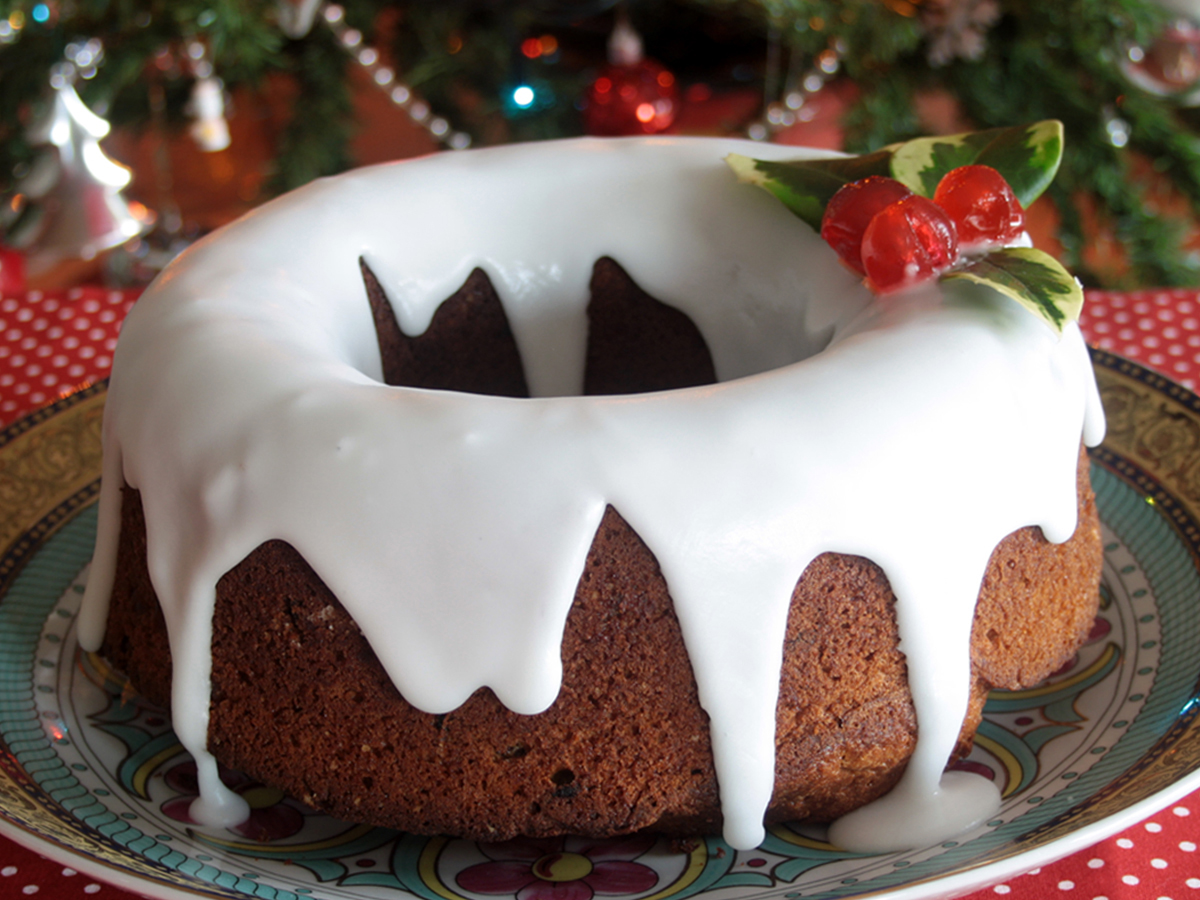
La Torta di Natale è una torta molto ricca preparata soprattutto nel periodo di Natale.

Ingredienti
Per l’impasto

• 200 g di burro a temperatura ambiente
• 4 uova grandi
• 200 g di zucchero di canna
• 100 ml di succo d’arancia o di latte (ricetta tradizionale portoghese)
• 1 cucchiaino di scorza d’arancia (facoltativo)
• 50 ml di Porto
• 330 g di farina 00
• 1 cucchiaio di lievito vanigliato
• 1 cucchiaino scarso di cannella in polvere
• 1 pizzico di sale
• 1 pizzico di noce moscata
• 100 g di uvetta nere
• 100 g di frutta esotica candita a cubetti
• ½ cucchiaio di farina 00 per infarinare i frutti
Per la decorazione
• 250 g di zucchero a velo
• 2 cucchiai (30 ml) di acqua o di liquore dolce
• 2 cucchiai (30 ml) di succo di lime
• frutta candita, frutta secca e rametti di agrifoglio, per guarnire

Procedimento
Guarda il video per imparare come si prepara questa bellissima torta di Natale.


Data di inserimento : 20 Dicembre 2016


Bolo de Natal (Christmas Cake)

Bolo de Natal (Christmas Cake)

CLICK HERE TO WATCH THE VIDEO


The Portuguese Christmas Cake (sometimes mistaken for the King Cake, which is instead a yeast sweet cake) is a very rich cake made especially at Christmas time, traditionally served without any decoration or just garnished with candied fruits. The Portuguese recipe, arriving in Brazil was tropicalizated: the Brazilian versions recipes use cane sugar instead of refined sugar and spread an icing over the top of the cake and decorate with candied fruits. One of the new ingredients included in some of the several versions is our beloved condensed milk.


Ingredients
For the cake batter

• 200 g butter at room temperature
• 4 large eggs
• 200 g brown sugar
• 100 ml orange juice or milk (traditional Portuguese recipe)
• 1 teaspoon orange zest (optional)
• 50 ml Port wine
• 330 g all-purpose flour
• 1 tablespoon baking powder
• 1 level teaspoon ground cinnamon
• a pinch of salt
• a pinch of nutmeg
• 100 g black raisins
• 100 g exotic candied fruit cut into small cubes
• ½ tablespoon all-purpose flour for dusting the fruits
For the topping
• 250 g powdered sugar
• 2 tablespoons (30 ml) water or sweet liqueur
• 2 tablespoons (30 ml) lime juice
• candied fruit, dried fruit and holly leaves, for garnish

Preparation method

For the cake batter

  1. Beat the egg whites until foamy and set aside.
  2. Sift flour with baking powder, salt, cinnamon and nutmeg. Mix black raisins, candied fruit and ½ tablespoon all-purpose flour, and set aside. Cover the candied fruit with flour is used to prevent them from sliding down to the bottom of the cake during baking.
  3. Cream the butter using an electric mixer.
  4. Continue beating and add, a little at a time, sugar and the egg yolks.
  5. Add Port, use a spatula to combine the flour, a little at a time, alternating additions with the orange juice and the orange zest, if you like.
  6. Add the flour-covered fruits and finally add the beaten egg whites, stirring gently. If you like, add 50 g chopped nuts (traditional Portuguese recipe).
  7. Pour the batter into a greased pudding mould (capacity: 1,6 litres).
  8. Bake in a preheated oven at 180°C for 35-40 minutes. Stick a toothpick in the centre of the cake, if it comes out clean the cake is ready.
  9. Let stand for 5 minutes then unmould. It keeps for more than a week at room temperature.

For the topping
Mix the icing sugar with the water or the liquor, add the lemon juice, a little at a time, stirring well, until the icing becomes smooth but firm. Pour the icing over the top of the cake, allowing it to cascade in irregular way without coating the sides completely. Decorate with holly leaves and candied cherries.


Posted on: 20 December 2016


Bolo de Natal

Bolo de Natal

CLIQUE AQUI PRA ASSISTIR AO VÍDEO


O Bolo de Natal português (às vezes confundido com o Bolo de Reis que, ao invés, é feito com massa lêveda) é um bolo muito rico preparado em especial no período de Natal, tradicionalmente servido sem qualquer enfeite ou apenas enfeitado com frutas cristalizadas. Chegando ao Brasil a receita portuguesa foi tropicalizada, e se distingue da original principalmente pela utilização de açúcar mascavo ao invés de açúcar refinado, e pela decoração com glacê e frutas.
Um dos novos ingredientes incorporados em algumas das várias versões é o nosso bem-amado leite condensado.


Ingredientes
Para a massa

• 200 g de manteiga em temperatura ambiente
• 4 ovos grandes
• 200 g de açúcar mascavo
• 100 ml de suco de laranja ou leite (receita tradicional portuguesa)
• 1 colher de chá de raspas de casca de laranja (facultativo)
• 50 ml de Vinho do Porto
• 330 g de farinha de trigo
• 1 colher de sopa de fermento em pó
• 1 colher de chá rasa de canela em pó
• 1 pitada de sal
• 1 pitada de noz-moscada
• 100 g de uvas-passas pretas sem caroço
• 100 g de fruta cristalizada picada
• ½ colher de sopa de farinha de trigo para enfarinhar as frutas
Para a cobertura
• 250 g de açúcar de confeiteiro
• 2 colheres de sopa (30 ml) de água ou de licor doce
• 2 colheres de sopa (30 ml) de suco de limão
• frutas cristalizadas, frutas secas e raminhos de azevinho, para enfeitar

Preparo

Para a massa

  1. Bater as claras em neve e reservar.
  2. Peneirar a farinha com o fermento, o sal, a canela e a noz-moscada. Misturar as passas, as frutas e a ½ colher de farinha. Enfarinhar serve para que as frutas não caiam no fundo da forma enquanto o bolo assa.
  3. Bater a manteiga na batedeira até ficar um creme macio.
  4. Juntar o açúcar e as gemas, um pouco de cada vez, sem parar de bater.
  5. Misturando bem com uma espátula acrescentar o Vinho do Porto, a farinha, um pouco de cada vez, alternando com o suco de laranja e as raspas de laranja, se quiser.
  6. Adicionar as frutas enfarinhadas e por último as claras em neve, misturando delicadamente. A gosto unir 50 g de nozes picadas (receita tradicional portuguesa)
  7. Colocar a massa em uma forma de pudim untada com manteiga (capacidade 1,6 litros).
  8. Assar em forno preaquecido a 180°C por 35-40 minutos. Verificar se está cozido com um palito, que deve sair seco.
  9. Deixar amornar por 5 minutos e desenformar. Se conserva em temperatura ambiente por mais de uma semana.

Para a glacê
Misturar o açúcar de confeiteiro com a água ou o licor, acrescentar o suco de limão, um pouco de cada vez, misturando bem, até obter um glacê liso mas consistente. Colocar o glacê sobre o bolo e deixar que ele escorra de modo irregular sobre os lados, sem recobri-los completamente. Enfeitar com cerejas cristalizadas e folhas de azevinho.


Postado em : 20 Dicembre 2016