Bolo de aipim (Torta di manioca)

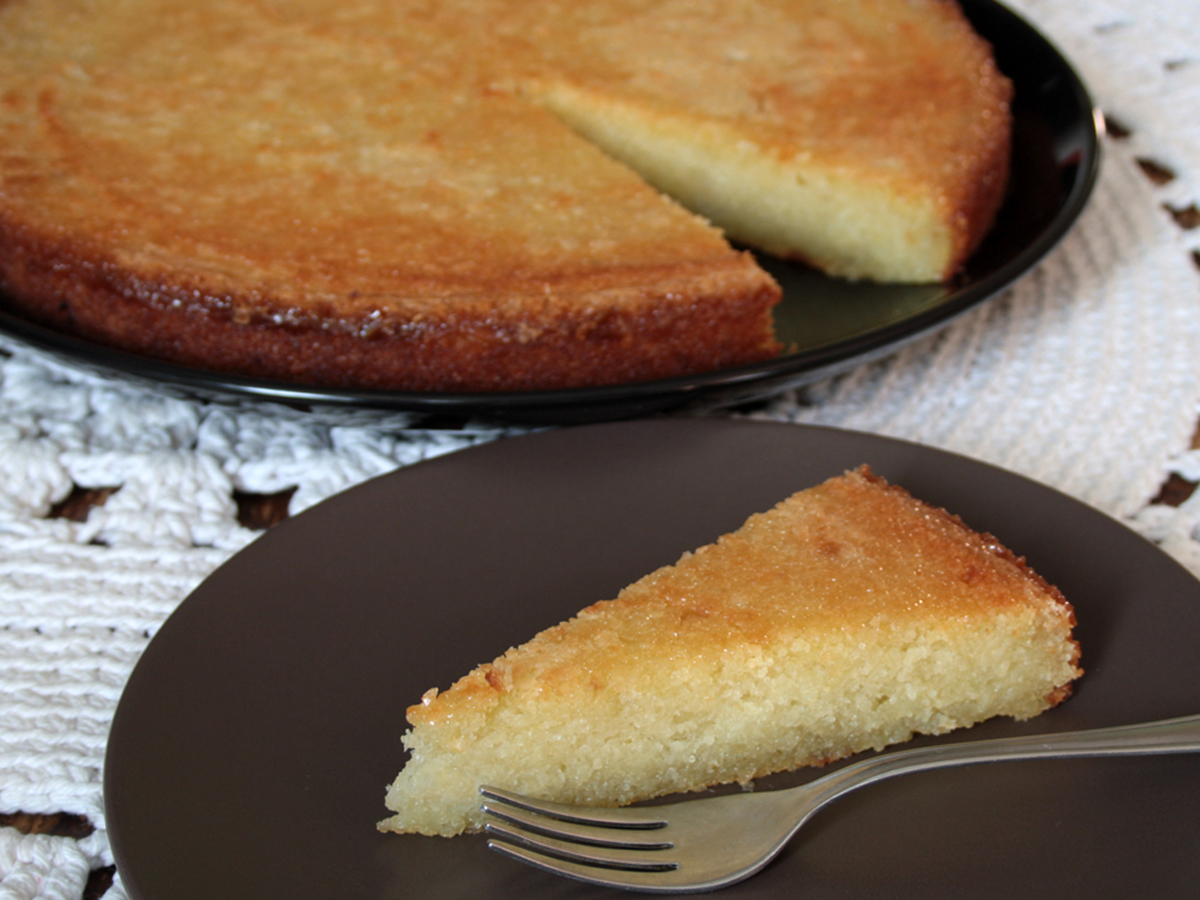
Bolo de aipim (Torta di manioca)

GUARDA IL VIDEO PER IMPARARE COME SI PREPARA LA TORTA DI MANIOCA


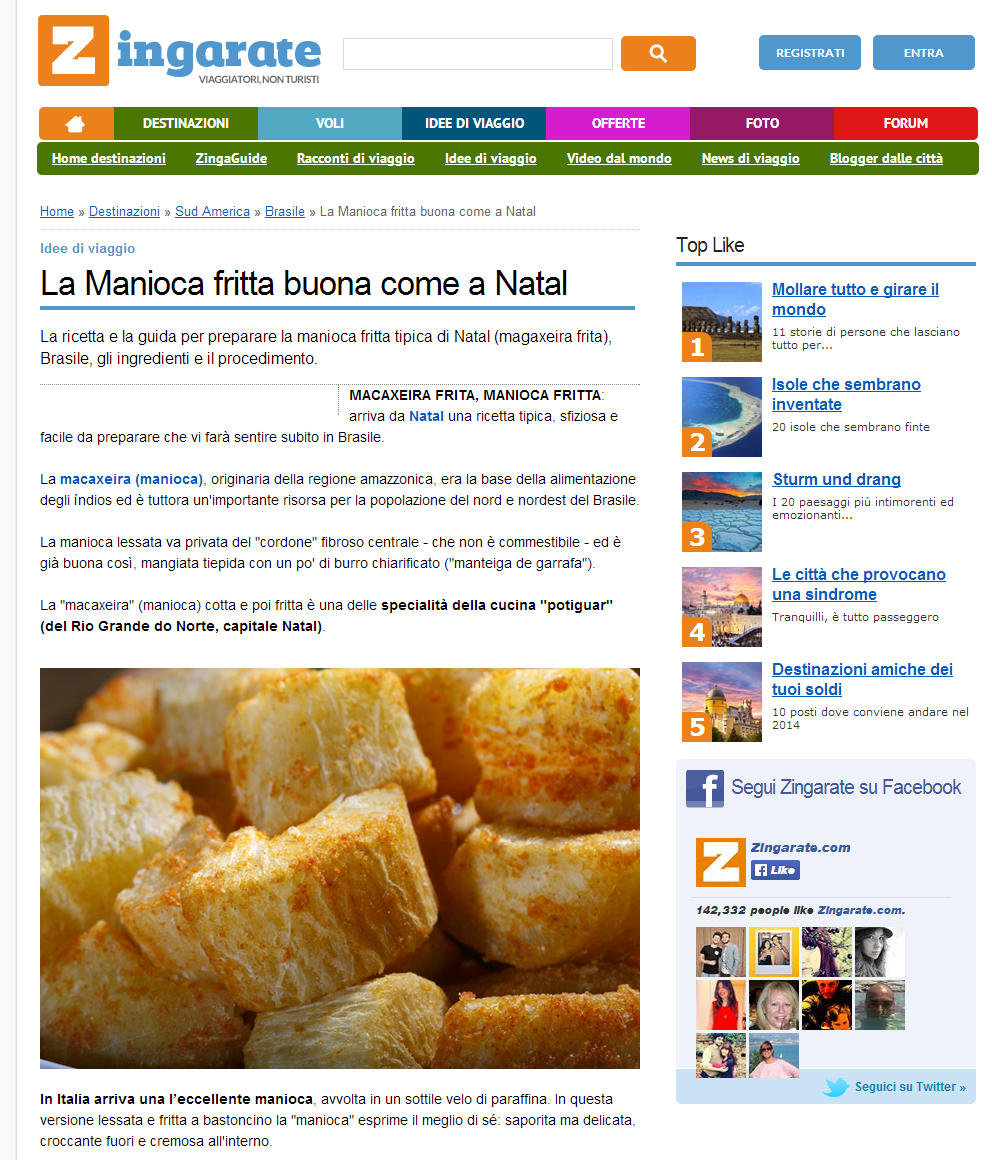
La torta di manioca è una ricetta tipica del Nord e Nordest del Brasile.


Ingredienti
• 1 kg di manioca pulita
• 400 ml di latte di cocco
• 400 g di zucchero
• ½ cucchiaino di sale
• 3 uova grandi (200 g)
• 100 g di burro sciolto

Procedimento
Guarda il video per imparare come si prepara questa torta particolare.


Data di inserimento : 18 Maggio 2015


Bolo de aipim (Cassava Cake)

Bolo de aipim (Cassava Cake)

CLICK HERE TO WATCH THE VIDEO


Cassava cake is a typical dish of northern and northeastern Brazil, although, it is appreciated and can be found throughout the country. The recipe is simple, basically made from the same ingredients as traditional cakes, only replacing wheat with manioc. However, the end result is not a fluffy cake: it’s a rustic and tasty dessert, with the consistency of “polenta” (cornmeal mush).
Cassava cake can be kept at room temperature and, as with all recipes using coconut milk, it will taste even better the next day.


Ingredients
• 1 kg peeled cassava
• 400 ml coconut milk
• 400 g sugar
• ½ teaspoon salt
• 3 large eggs (200 g)
• 100 g melted butter

Preparation method

  1. Mix 100 ml coconut milk with 100 g sugar and set aside.
  2. Cut off the ends of the cassava root, and cut it into chunks 5-6 cm length. Make a lengthwise slit (2 mm deep) along the cassava chunks. Slide your knife under the peel to separate it from the flesh and remove cassava peel (thin brown skin and thick and pinkish white in color cortex) by hand. Cassava peels can be easily detached from the flesh. Click here to watch the video “How to prepare cassava”.
  3. Wash and cut the cassava chunks into small pieces and remove the tough core from the centre of cassava root. Place them, a few at a time, in a blender or in a food processor. Add a little water (about 500 ml for 1 Kg cassava) to help the blending process. The original recipe calls for grated cassava, but to grate cassava is very laborious and it takes a lot of time.
  4. Pour the cassava pulp in a bowl lined with a clean dish towel. Squeeze the pulp through the cloth to remove all liquid mix. Set aside liquid mix in a bowl. You can use this liquid to make tapioca for “beiju”.
  5. In a bowl pour the squeezed cassava pulp, add the remaining coconut milk (300 ml) and mix well.
  6. Add the remaining sugar (300 g), salt, eggs, melted butter and mix well.
  7. Line the bottom of a springform pan (24 cm) with parchment paper. Brush with melted butter inside of the mould. Pour the batter into the mould and level off the top.
  8. Bake in a preheated oven at 200°C. When the dough has hardened (it takes about 45 minutes), sprinkle with the sweetened coconut milk (set aside). Continue baking until golden brown. The total cooking time is about 1 hour and 15 minutes.
  9. Allow to cool before unmould, if necessary run a sharp knife around the edge of the cake.


Posted on: 18 May 2015


Bolo de aipim

Bolo de aipim

CLIQUE AQUI PRA ASSISTIR AO VÍDEO


O bolo de aipim é uma receita típica do norte e nordeste do Brasil, mas é apreciado e pode ser encontrado em todo o país. A receita é muito simples, feita praticamente com os mesmos ingredientes de um bolo tradicional, exceto pela mandioca que substitui a farinha de trigo. Entretanto, o resultado final não é um bolo fofinho, mas um doce rústico e saboroso, com a consistência semelhante à de uma polenta.
O bolo de aipim deve ser conservado em temperatura ambiente e, como todos os doces feitos com leite de coco, fica ainda mais gostoso no dia seguinte.


Ingredientes
• 1 kg de mandioca descascada
• 400 ml de leite de coco
• 400 g de açúcar
• ½ colher de chá de sal
• 3 ovos grandes (200 g)
• 100 g de manteiga derretida

Preparo

  1. Misturar 100 ml de leite de coco com 100 g de açúcar e reservar.
  2. Cortar a mandioca em pedaços de aproximadamente 5 cm. Descascar eliminando a pele escura e a casca grossa branca.
  3. Lavar e cortar os tronquinhos de mandioca em pedaços pequenos e bater bem, um pouco de cada vez, num robot de cozinha ou no liquidificador, juntando um pouco de água de cada vez para facilitar o processamento (cerca de 500 ml no total). Na receita tradicional a mandioca é ralada, mas é trabalhoso e leva muito tempo.
  4. Colocar um pano de prato limpo dentro de uma tigela e despejar a massa de mandioca dentro. Espremer pra retirar todo o líquido. Colocar o líquido que saiu em uma tigela e reservar para preparar a tapioca que se usa para fazer o “beiju”.
  5. Colocar o bagaço da mandioca (que ficou no pano) em uma tigela, acrescentar o leite de coco restante (300 ml) e misturar bem.
  6. Acrescentar o açúcar restante (300 g), o sal, os ovos inteiros, a manteiga derretida e misturar bem.
  7. Forrar com papel manteiga a base de uma forma de abrir 24 cm de diâmetro. Untar com manteiga derretida as laterais da forma, despejar a massa e nivelar com uma espátula.
  8. Assar em forno preaquecido a 200°C. Quando a massa ficar consistente, demora cerca de 45 minutos, regar com o leite de coco açucarado que estava reservado. Continuar a assar até dourar. O tempo total de cozimento é aproximadamente 1 hora e 15 minutos.
  9. Esperar amornar, se for preciso soltar as laterais com a ajuda de uma faquinha e desenformar.


Postado em : 18 Maggio 2015